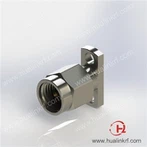
Daily use of RF Coaxial Connectors (SMA, 2.92 mm, 2.4 mm, 1.85 mm, 1 mm)
By Keysight technology & signal integrity
Translated by Hualink RF Sunny Li

Connector is an essential part of electronic measurement, no matter test instrument or DUT, no matter cable or accessories, there are all kinds of different connector. For test engineers, the connectors commonly used are N type, BNC type, SMA type, 3.5mm, 2.92mm, 2.4mm, 1.85mm, 1 mm. Let's first choose some commonly used connectors to understand:
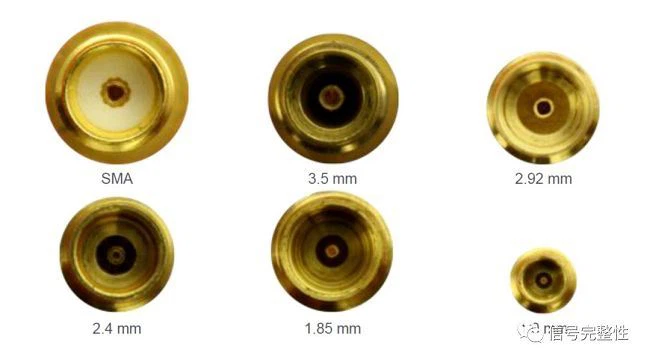
SMA Connector:
Designed by Bendix Scintilla A in the 1950s, it was cheap and popular. The interior is filled with PTFE, so the high frequency performance is poor. The wall of the outer conductor is relatively thin, which is easy to be worn and damaged, so the reliability is poor.
3.5mm Connector:
Originally from HP (Keysight technology) development, early by amphenol company manufacturing. Its design concept is to build a strong and durable physical interface, size match the common SMA, service life can amount to thousands of connections. Its inner conductor is supported by a plastic ring instead of dielectric material, thus to enhance the working frequency. 3.5 mm Yin inner conductor head there are several different types, four disc slot, or precision without slot.
2.92mm Connector:
This kind of connector is designed by Anritsu Company, commonly referred to as K connector, is not restricted by model used in the top 40 GHz frequency range. It can be matching with SMA connector and 3.5 mm, but the uncertainty will increase, does not apply to high precision measurement, and easily damaged.
2.4mm Connector:
This connector by HP (Keysight technology), amphenol and M/A COM - development, is essentially A connector is A smaller version of the 3.5 mm, so the maximum frequency is also greatly improved. 2.4 mm connectors are widely used in 50 GHz system, can actually work to 60 GHz. This design by increasing the thickness of the outer wall of the connector and reinforcing female socket, eliminates the SMA and 2.92 mm easy damage defects. 2.4 mm connector can't mate with the 3.5 mm, 2.92 mm, SMA type, in fact its thread design is to prevent and 3.5 mm connector mixed number drowned
1.85mm Connector:
By HP (is a precursor to keysight technology) in the mid 1980’s development, is a smaller version of the 2.4 mm, originally designed for 67 GHz, actual working to 70 GHz, 1.85 mm and 2.4 mm connector mechanical compatibility. HP open this design of the 1988 to the world, in order to encourage the standardization of connector type.
1.0mm Connector:
This kind of connector is currently the highest working frequency coaxial connector. In 1989 by HP (The predecessor of Keysight technology) Paul Watson invention, working frequency calibration in 110 GHz, but the actual frequency can work until 120 GHz, some versions can even reach 140 GHz. Because of its small size, connection is easily damaged, need to use separate torque wrench, and strictly follow the instructions for operation.
All connectors have diameter sizes in their names. This dimension refers to the inner diameter of the outer conductor. This size, together with the outer diameter of the inner conductor, directly determines the maximum operating frequency and scattering performance of the connector (S parameter).

Therefore, improper use of connectors can lead to incorrect test results, while poor quality or worn connectors, on the other hand, can damage the interfaces of other expensive meters and cables. Therefore, you must be careful when using connectors on a daily basis.
1. Use the wrong connector or faulty connector
The 2.4mm connector is not used with the 2.92mm, 3.5mm, SMA connector. Improper use can cause permanent mechanical damage. A faulty connector must be discarded in time; otherwise, other devices connected to it will be affected. For example, the positive connector of the bias pin will damage the conductor in the negative connector connected to it.
2. Twist the connector with your hands
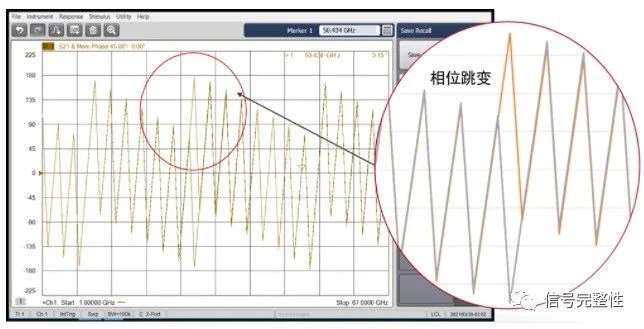
When you twist the connector by hand, you get poor test results. The figure below is a reproducible experiment of the phase of a real 1.85 mm connector S21.Due to the absence of a torque wrench, the phase results jump at 30 GHz. The data table below compares the measurement error in detail - the higher the frequency, the greater the error.

3. Use the wrong torque wrench to twist the connector
Using the right torque wrench ensures that the force applied to each connection is the same, that is, the same tension each time, so that repeatable measurements can be obtained and that the connector is not injured by too much force. Therefore, different joints due to their different sizes, materials, properties, need to use different torque wrenches, the following table for your reference.

4. Put connectors together for storage and management
We were in the field with some users and found that people put all the connectors in one box. This has the advantage of easy access. But the problem is that every time you look for the connector, you need to rummage through the box. The connector will collide, which is easy to cause mechanical wear. The change in size affects the impedance, which leads to the performance decline. It may even end up damaging the connector. Therefore, we recommend that connectors be stored separately. If you must gather them together, find a piece of antistatic material, dig grooves for connector sizes, and place connectors separately. This is clear at a glance, convenient access, but also a good protection connector from damage.